Annual Report Season Doesn’t Have to Hurt: Tips from Nonprofits Who’ve Been There
Ask any nonprofit professional how they feel about producing an annual report, and you’ll probably get a groan. Some tolerate it, but most don’t enjoy the process at all. When I recently surveyed a group of nonprofit staff about their annual report process, over 45% described it as somewhere between “not fun” and “I’d rather have a root canal.” No one said it’s their favorite project of the year.
I wasn’t surprised. I’ve watched clients go through this every year, and I’ve seen firsthand what makes the process smooth for some and miserable for others. The survey asked people with real experience to weigh in: how they gather content, who’s involved, what goes wrong, and what they wish they’d known sooner. Read on to gain insight from their answers.
The biggest pain point isn’t design. It’s people.
When asked what causes the most friction, the top answer wasn’t layout or printing costs. It was donor list accuracy, followed closely by chasing staff for written content and getting approvals. In other words, the hardest part of the annual report usually isn’t the report itself. It’s everything that has to happen around it.
One respondent put it simply: the real horror story was “micromanagement, change of mind, change of theme, while we were already in the design process.” For many, there were too many voices, too late in the process, pulling the project in different directions after the direction was already set.
Start Earlier than Feels Necessary
Nearly three-quarters of respondents said they only start pulling the report together a couple of months before the deadline, when the pressure is already on. But the people who said this process goes smoothly for them all had one thing in common: they collect material year-round instead of scrambling at the end.
“Collect photos, quotes, and stories throughout the year and put them in a folder,” one respondent advised. Another described keeping a monthly to-do list specifically so the report doesn’t become a mountain to climb every fall. If your team can build even a simple habit of saving strong quotes, stats, and photos as they happen, the fall crunch gets a lot less painful.
Put One Person or One Department in Charge
This was maybe the clearest theme in the responses. When asked how the report theme comes together, over 80% said it’s a collaborative effort with staff. Collaboration is good. But collaboration without a clear owner is where things can go sideways.
“Don’t have too many people involved. Manage through one department and pull info from others,” one respondent recommended. Another suggested holding an actual meeting or call before the design process even starts, so everyone understands why the report matters, what content is needed, and what success looks like. Not an email. Not a board assignment dropped into someone’s lap. A real conversation, up front, before anyone starts designing anything.
That single step, getting alignment before design begins, comes up as the difference between a report that gets derailed mid-process and one that moves forward with confidence.
Give your Fundraising Staff Room to Own the Content
If your organization has a development or fundraising professional on staff, they likely already know your donors, your programs, and your impact stories better than anyone else in the building. Let them lead the content development. The survey responses back this up. The organizations describing themselves as having an easier time developing their annual report are likely the ones with a clear content lead and defined boundaries around who weighs in and when.
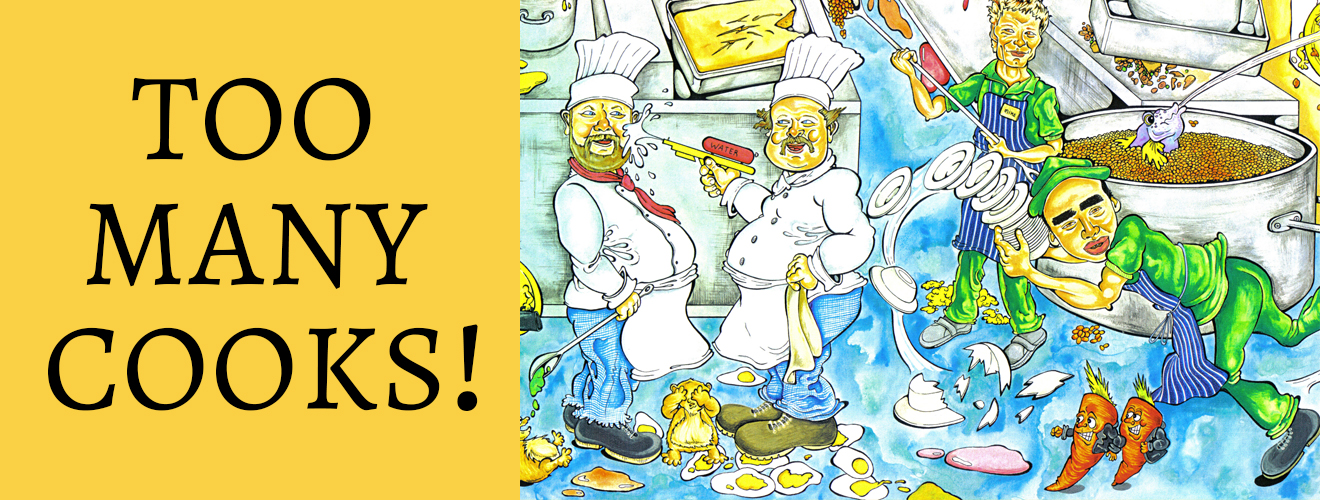
Too many cooks doesn’t just slow things down, it can change the report itself, sometimes for the worse. One respondent’s “worst criticism” story was about a magazine-style report that people genuinely loved and that won awards, but they weren’t sure it would land the same way today because “people don’t read anymore.” Even strong, well-loved ideas need buy-in and follow-through to succeed, and that starts with trusting the person closest to the content.
The Report as Marketing Tool
Nearly 73% of respondents said they use their annual report as a marketing and fundraising tool throughout the year. Sharing report content like impact stats, donor spotlights, and program highlights resonates with donors and sponsors. Perhaps offering a mid-year update to that information is a good way to amplify your organization’s mission without reinventing the wheel content-wise. Most who post report content on social media used the same three platforms: Facebook, Instagram and LinkedIn.
Life After Launch
Nearly 90% of respondents post their annual report as a downloadable PDF or flip book on their websites. Though many still print their reports, 36% said they no longer print any at all. As for report format, most organizations go with the standard letter size. Surprisingly, the vast majority don’t track how the report is received. I highly recommend tracking clicks on report downloads and impressions on social media posts as a way to better understand who is interested and what they’re interested in.
The Takeaway
None of this requires a bigger budget or a total process overhaul. It requires starting earlier, naming one clear owner, getting alignment before the design work begins, and trusting the people who know your donors and programs best to lead the content. The organizations in this survey who described the process as manageable, weren’t doing anything flashy. They were just doing these few things consistently.
If your annual report process feels like it’s dragging your whole team through the mud every year, it might not be a design problem at all. It might be a process problem, and that’s a much easier fix.